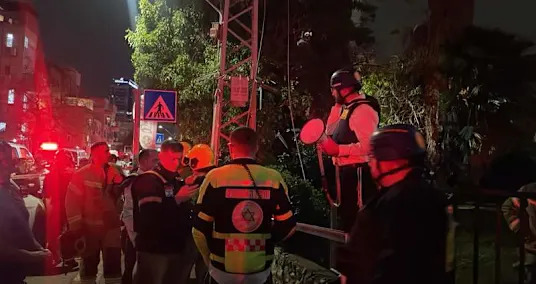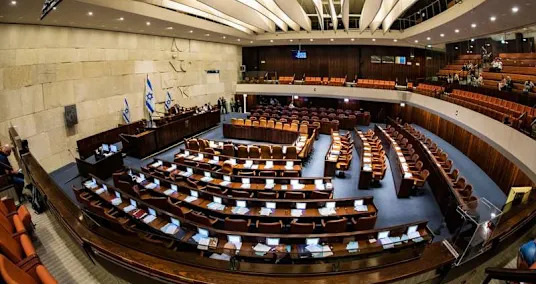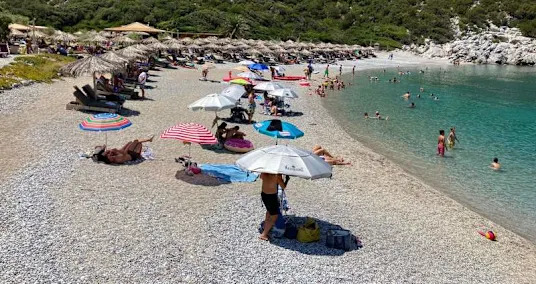
Greece and Cyprus are feeling the effects of the war in the Middle East as the holiday season approaches, with uncertainty over rising costs and economic developments causing concern across the hotel sector.
In Athens, industry representatives are observing a noticeable slowdown in reservations.
Travel agencies and hoteliers say many holidaymakers are hesitating and waiting to see how the situation develops.
Greek Tourism Minister Olga Kefalogianni spoke late last week of the psychological burden caused by the war, but also suggested that holidaymakers may concentrate on destinations considered safe — including Greece, which lies far from the actual crisis region.
Cyprus in contrast is closer to the conflict region and has experienced its effects directly: in early March, an Iranian-made drone struck the British RAF Akrotiri airbase near Limassol, causing minor damage.
The government in Nicosia has launched a package worth €200 million ($230 million) to cushion the economic consequences of the Middle East crisis.
In April, 30% of the wages of employees in hotels and other holiday accommodation will be covered. The government is also planning support for airlines.
Cypriot Tourism Minister Kostas Koumis said that the drop in tourist arrivals from several important markets such as Israel and several Arab states was particularly problematic.


 Two Israeli infants among wounded by shrapnel in overnight Iranian missile barrage
- Grasping the Qualifications Among Separation and Dissolution
- RFK Jr. wants to scrutinize the vaccine schedule – but its safety record is already decades long
- Muslim nations condemn new Israeli death penalty law
- Quandoo to shut restaurant booking platform by end of 2026
- Glamour Shots once ruled the mall. I went to one of the last ones standing.
- What to watch for in weight loss drugs in 2026
- Cyprus urges hotels to open up, pours funding into tourism
- Tear gas and arrests: Iranian regime continues crackdown on protesters amid economic unrest