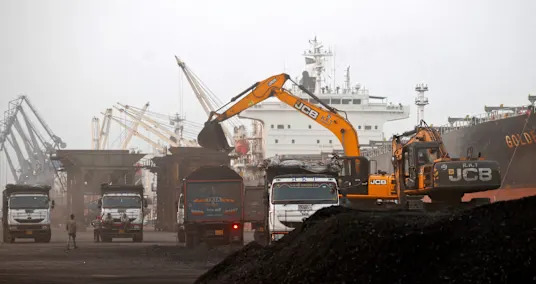
India’s much-delayed 2035 climate plan underestimates the country’s clean energy potential and allows for an acceleration of emissions growth, according to analysts. The plan aims to reduce the emissions intensity of its GDP by 47% from 2005 levels and increase the share of its electricity capacity from nonfossil sources to 60% by 2035.
The reduced carbon intensity target would, however, still allow India’s carbon emissions to increase by 70% over the next decade if GDP grows at a target rate of 7% per year, Lauri Myllyvirta of the Centre for Research on Energy and Clean Air told Semafor. That would translate to emissions growth of 5.5% per year, above the average rate of 3.5% over the past decade.
India is also on track to achieve its clean power capacity target well ahead of time: Its Central Electricity Authority projects that nearly 70% of power capacity will come from nonfossil sources by 2035-36.
“India’s booming clean energy industry is highly likely to deliver much faster progress than policymakers were prepared to commit to,” Myllyvirta said. Disruptions to oil and gas flows caused by the Iran war and the competitiveness of clean energy could strengthen the case for accelerating renewable deployment.
LATEST POSTS
- 1
 Exploring the Gig Economy: Examples from Consultants
 - 2January’s full wolf supermoon and the Quadrantid meteor shower will start off the new year
- 3I tried a macho, creatine-loaded cereal “for men.” Did I mention I'm a woman?
- 4Starbucks' new 'Bearista' cup is causing a stir — and is being listed on eBay for $600
- 5Lego's $650 Pokémon set is already sold out as demand, preorders surge


- Arctic sea ice hits lowest winter level as heat records are shattered worldwide
- This Is Canada's Only Province Without Any Bears
- Bonk.fun’s April Fools Joke Targets Israel, Sparks Debate
- U.K. blocks Kanye West from entering Britain to headline now canceled festival: What led to the ban
- Ice Spice's 'Big Guy' SpongeBob song is stuck in everyone's heads again — and TikTok is fueling it
- Zendaya serves bridal-coded fashion with old, new and borrowed gowns for ‘The Drama’ press tour
- South Korea to End Bear Bile Farming and Find New Homes for the 200 Bears Stuck in the Industry
- Esteem Stuffed Gaming Workstations to Consider
- Discussion on deployment of foreign troops ongoing, two sources tell 'Post'