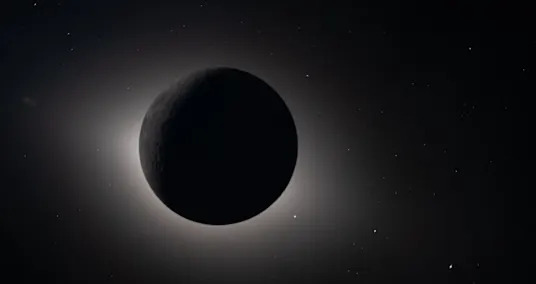
The final full moon of the year — a supermoon known as the cold moon — shone brightly across the world this week.
It follows two other supermoons this year: the harvest supermoon on Oct. 7 and the beaver supermoon on Nov. 5.
A supermoon occurs when a full moon coincides with the moon being at its closest point to Earth in its orbit. The moon, as a result, will appear slightly larger and brighter than usual.
According to the Farmers’ Almanac, December’s full moon is known as the cold moon, “reflecting the frigid season.” The almanac website says it’s “also known as the Long Night Moon (Mohican) because it rises during the longest nights of the year, near the winter solstice, and remains above the horizon for an extended period.”
Supermoons appear only three to four times a year, NASA says. And at its closest point to Earth, the moon can appear up to 14% bigger and 30% brighter than a moon that is farthest away from Earth.
The next full supermoon, also known as the wolf moon “because wolves were more likely to be heard howling at this time,” will happen on Jan. 3.
See photos of December’s dazzling supermoon below.
See more of our photo features on Yahoo News.
LATEST POSTS
- 1
 Disability rights activist and author Alice Wong dies at 51
 - 2A company is trying to unlock a key to aging, in a long-overlooked body part
- 3Tens of thousands protest as far-right AfD forms new youth group
- 4Finding Europe's Head Traveler Objections: An Excursion Through Famous Attractions
- 5NASA Perseverance rover sees megaripples on Mars | Space photo of the day for Jan. 7, 2026.


- Dick Van Dyke shares his secrets to longevity as he turns 100
- Shooting of MIT professor Nuno Loureiro has police searching for a suspect
- Should you get an RSV vaccine this fall? What to know and where to get a shot
- At least 18 Palestinians killed in latest clashes in Gaza
- Josh Duhamel's secret to the good life at 53? Wolverine peptides, ditching Hollywood and having another baby.
- The most effective method to Guarantee Scholastic Honesty in Web-based Degrees
- UNICEF: More than 100 children killed in Gaza since ceasefire
- 'Unreal' solar eclipse: Artemis 2 crew just saw one of the rarest sights in spaceflight history
- Instructions to Expand Your Advantages from an Open Record Reward